Green Transport
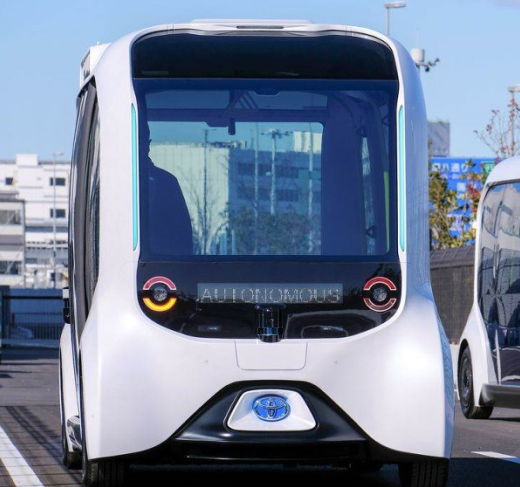
New and existing road networks will be tailored for electric driverless buses and phasing out combustion engine vehicles in favour of electric vehicles (EVs), bikes and pedestrians.
The river will become an integral part of local transport infrastructure alongside over 100km of new routes for cyclists and pedestrians. This will significantly improve air quality and also reduce noise pollution, making it an exemplary city in Europe for green transport and a healthy environment.
15 Minute City
Athlone will be a transformed city of green spaces, active travel and self‑sustaining neighbourhoods.
It will be a true ‘15‑minute city’, with services and amenities within a 15‑minute walk or bike ride for all residents.
The masterplan includes new schools, theatres and galleries, sports arenas, and science parks. There will be a new hospital and healthcare facilities, improving public health and wellbeing for all.
The delivery of faster rail links would bring Athlone closer to other cities, including Dublin which could be reached in less than an hour.

Renewable Energy
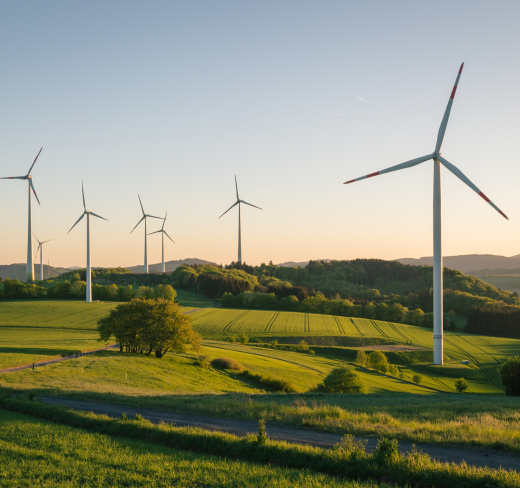
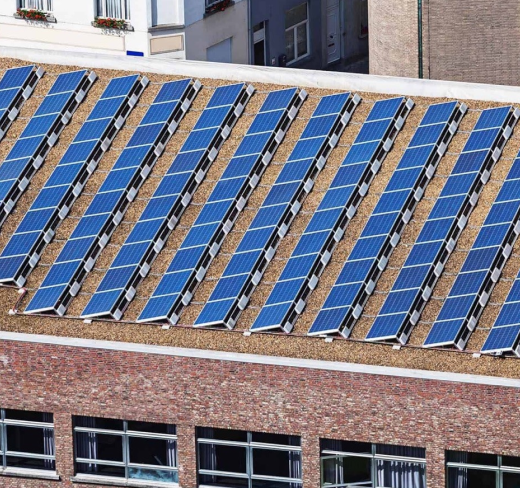
Athlone will generate 90% of its energy from renewable sources, including geothermal, hydro (water), solar, wind and biomass.
Geothermal energy is derived from boreholes drilled hundreds of meters into the ground where the earth’s temperatures are warm. Piped reservoirs of hot water are created to provide energy.
Solar power is energy from the sun that is converted into thermal or electrical energy. Solar energy is both clean and renewable.
Wind energy is a form of renewable energy that harnesses the power of the wind to generate electricity.
Hydropower, or hydroelectric power, is one of the oldest sources of renewable energy. It uses the natural flow of moving water to generate electricity.
Biomass is a clean, renewable energy source. Trees, crops, and municipal solid waste are consistently available and can be managed sustainably and transferred to energy.
Protecting and restoring natural habitats
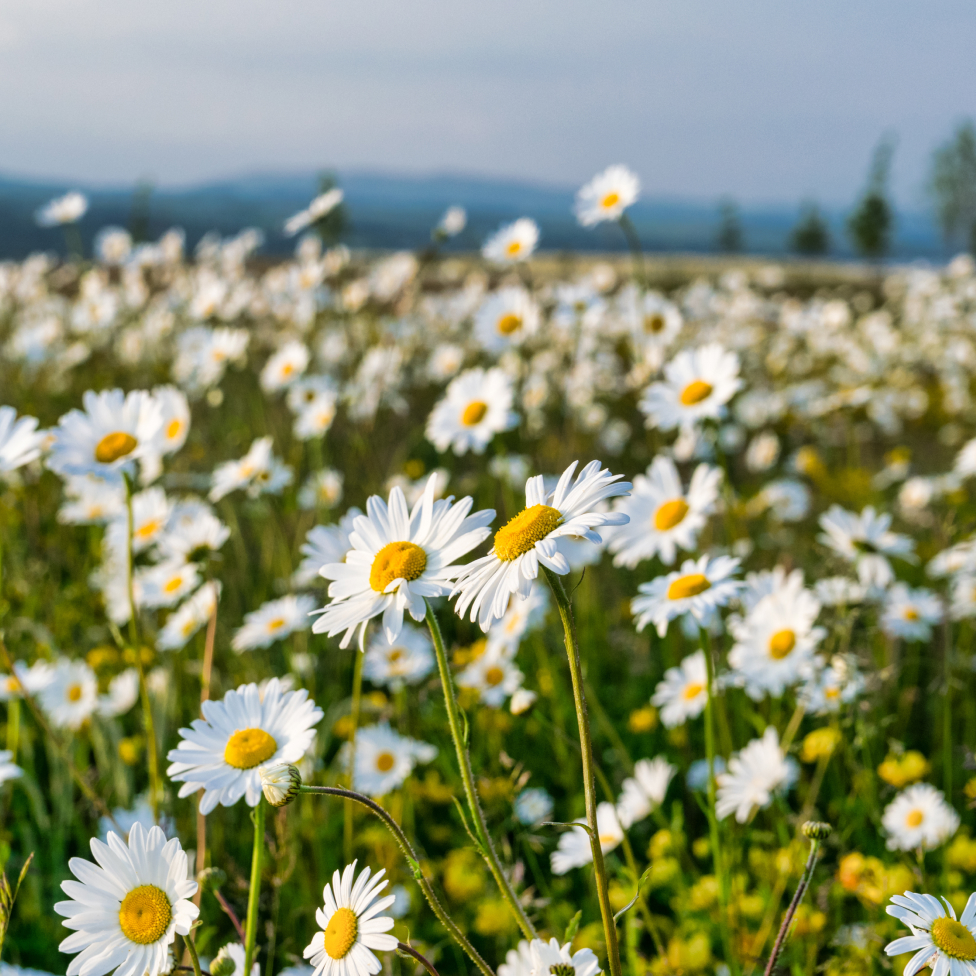
Natural habitats will be restored across the city and surrounding areas, creating new havens for native species.
Up to 5000 hectares will be designated as protected nature reserves, including Raised Bog Special Areas of Conservation (SACs) and wetlands established along the Shannon, and encapsulating areas inland:
- Creation of wetlands and callows along the River Shannon
- Creation of SACs within boglands to allow rewetting and rewilding
- Creation of city parks and green corridors
- Establishment of Special Protection Areas (SPAs); areas designated to protect rare and vulnerable bird species
- Peatland rewetting and restoration (PRR) / Wetting the Bogs
- Establishment of Natural Heritage Areas (NHAs); designated areas for the protection of Ireland’s natural flora, fauna, and habitats
Green Building
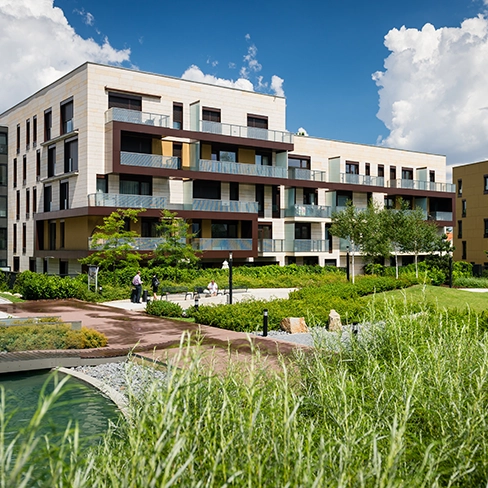
Buildings and infrastructure will be designed to adapt to climate change and to mitigate flooding and overheating.
New buildings will have 70% less embodied carbon (the carbon emitted during construction) thanks to the use of re-used, repurposed and locally sourced construction materials.
All new buildings will meet or exceed the Future Homes Standard for energy efficiency and will use 70% less energy.
Respecting Water
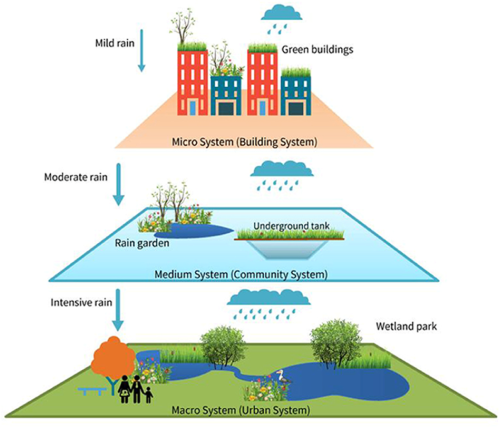
Advanced design will create a sponge city that absorbs, stores and reuses rainwater.
Water and sewage systems will be designed to recycle or avoid waste, and all water bodies will be certified as having excellent water quality.
Smart technology, rainwater harvesting, and sustainable drainage will optimise water use, reduce flooding, and boost biodiversity.
Energy Transition
Athlone’s central location makes it a critical hub for the national energy transition as Ireland moves towards decentralising energy production and integrating more renewable sources into the grid.
Investing in Athlone’s development as a green city aligns with the National Grid’s need for strategic locations that can balance energy loads, improve grid stability, and integrate renewable energy sources like wind and solar.
Its proximity to key transmission infrastructure and potential to host local energy production facilities, such as solar urban farms or community energy projects, positions Athlone as a vital contributor to Ireland’s energy transition.
By investing in Athlone, the country would not only create a sustainable urban centre but also enhance the resilience and flexibility of the national grid, aligning perfectly with Ireland's broader decarbonisation and energy security goals.